20 February 2026
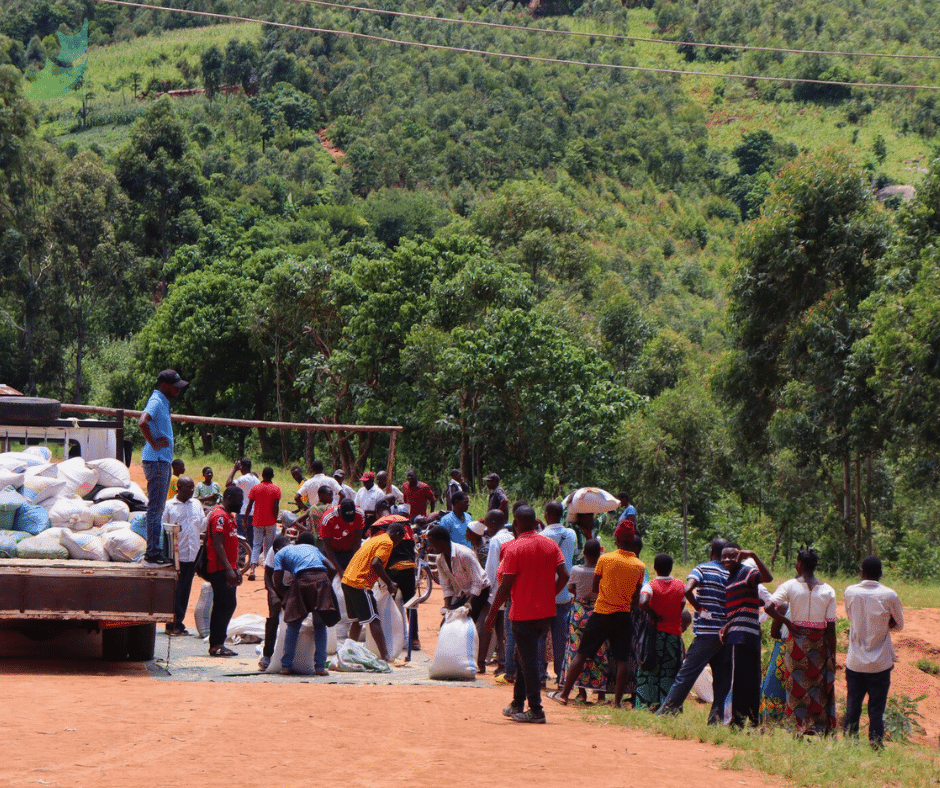
Each year from October to February, many rural households in Malawi enter what is known as the “lean season.” This is the period between harvests when household food stocks are depleted, incomes are stretched, and vulnerability increases. For farming families, it is not simply a time of hunger. It is a period of heightened risk.
When food runs low, families may be forced to reduce meal frequency, sell productive assets, delay agricultural investments, or divert income away from inputs needed for the next season. These short-term coping strategies can have long-term consequences, weakening household stability and undermining future productivity.
Through the Integrating Aquaculture–Agriculture to Combat Food Insecurity in Malawi (IAAM) project, CDF Canada, in partnership with the Government of Malawi and with support from the Government of Norway, is helping households navigate this critical period while protecting the progress they have worked hard to build.
Immediate Relief + Long-Term Resilience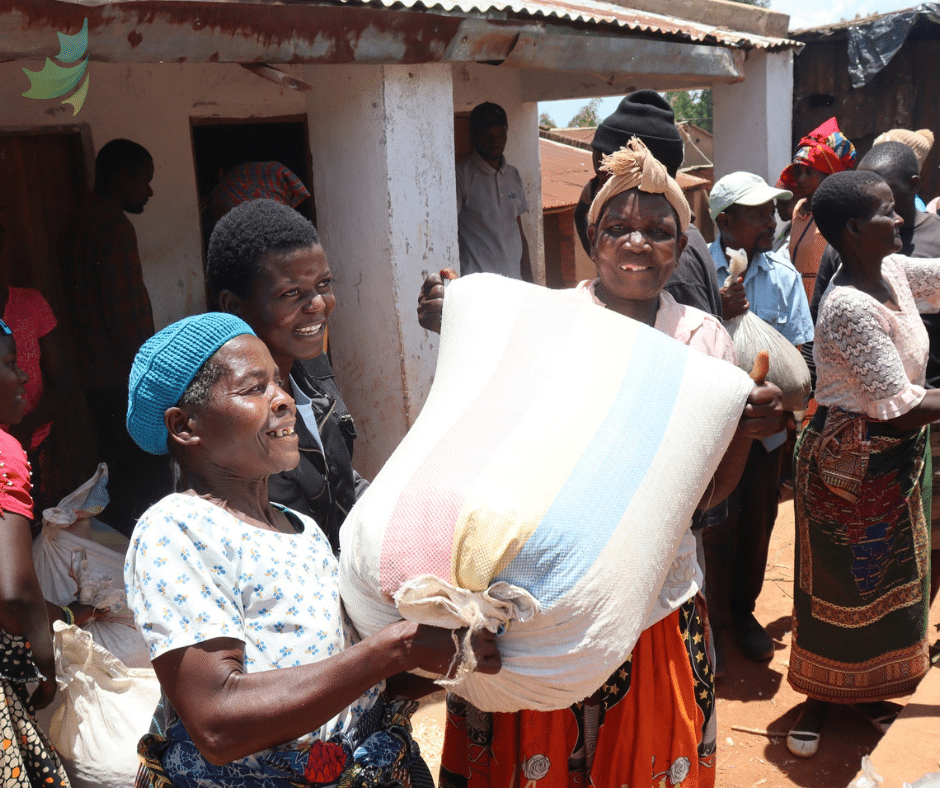
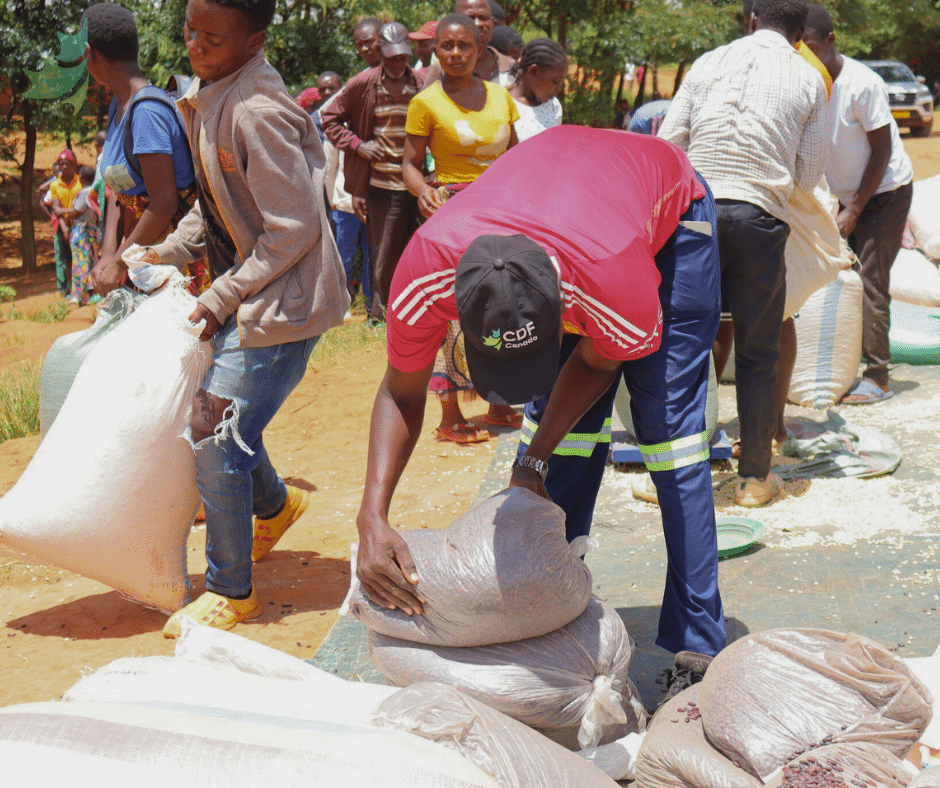
Under IAAM, targeted lean season assistance is being provided to:
- 1,528 individual fish farmers
- 1,374 vulnerable households connected to integrated aquaculture-agriculture demonstration ponds and cage culture systems
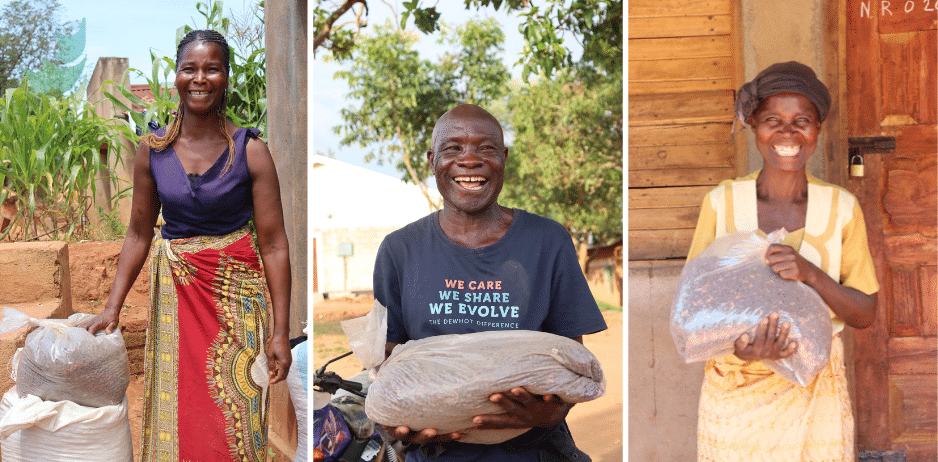
Each household is receiving:
- One 50 kg bag of maize grain to bridge the peak consumption gap
- One 10 kg pack of beans to support dietary diversity and protein intake
- Cassava cuttings or orange-fleshed sweet potato vines to reduce future input costs and stabilize seasonal food supply
This support addresses immediate food needs, but its purpose extends beyond emergency relief.
By ensuring households can meet consumption needs during the lean season, IAAM reduces the likelihood that families will sell livestock, deplete savings, or abandon productive activities. The inclusion of planting materials strengthens the next production cycle, lowering input costs and reinforcing household food security beyond the current season.
Resilience is built not only through long-term development investments, but also through timely interventions that protect households from setbacks during predictable seasonal shocks.
The Integrated Model in Action
IAAM is designed as an integrated aquaculture-agriculture model. Rather than addressing food insecurity through a single intervention, the project strengthens interconnected systems:
- Fish farming provides income and a source of high-quality protein.
- Crop production supports household food consumption and local markets.
- Demonstration ponds and cage culture systems serve as learning hubs for improved practices.
- Seasonal assistance protects both production and participation during periods of vulnerability.
The lean season intervention is not separate from the broader model. It is embedded within it.
By stabilizing consumption while reinforcing agricultural inputs, IAAM ensures that fish farmers and connected households remain active participants in local food systems. This integrated approach strengthens both livelihoods and nutrition outcomes, contributing to more resilient rural economies.
A Gender Lens on Seasonal Vulnerability
Seasonal food insecurity often affects women disproportionately. In many rural households, women carry primary responsibility for food provisioning, child nutrition, and household management. During the lean season, the pressure to stretch limited food supplies can intensify unpaid care burdens and restrict women’s ability to engage in income-generating activities.
By stabilizing household food access, IAAM reduces this seasonal stress. The provision of beans improves dietary diversity and protein intake, which is particularly important for women and children. Access to cassava cuttings and sweet potato vines supports women’s agricultural participation and reduces the financial barriers to future planting.
When households are better positioned to meet basic needs, women are more able to participate fully in fish farming activities, community leadership, and decision-making processes linked to the project’s integrated model.
Strengthening food security strengthens gender equity.
Partnership Spotlight
This initiative is made possible through collaboration between CDF Canada, the Government of Malawi, and the Government of Norway.Working in partnership with national and local institutions ensures that assistance is aligned with community priorities and embedded within existing systems. This collaborative approach reinforces local ownership, strengthens institutional capacity, and supports sustainable pathways out of food insecurity.By combining immediate support with long-term agricultural systems development, IAAM demonstrates how integrated, partnership-driven approaches can protect livelihoods today while building resilience for tomorrow.Seasonal shocks are predictable. Resilience is intentional.